
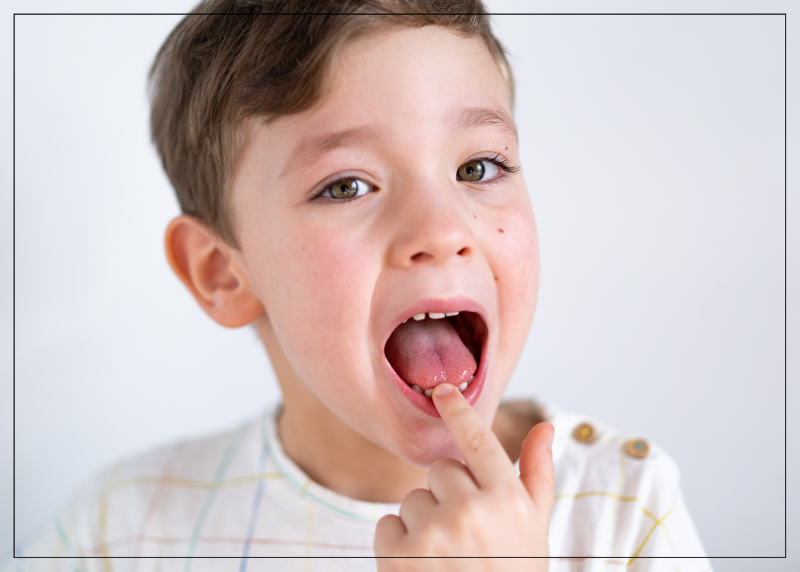
There’s a special kind of excitement, and sometimes a little bit of dread, that comes with a loose tooth. Some kids can’t stop poking at it with their tongue and are begging you to “just pull it already.” Others want no part of it and won’t let you come within 10 feet of their mouth. Either way, you’re standing there wondering if you’re about to do more harm than good.
In truth, pulling a loose baby tooth at home can be perfectly safe, but only under the right conditions. Here’s how to tell when a tooth is ready to go, how to remove it gently, and when it’s better to leave it alone.
Why Do Baby Teeth Get Loose?
Baby teeth loosen because the permanent tooth underneath is pushing up and dissolving the roots of the baby tooth above it. As those roots disappear, the tooth loses its anchor in the gum and starts to wiggle. This is a gradual process, and it’s nature’s way of making the tooth easy to remove once it’s truly ready. A tooth that’s still firmly rooted is a sign the process isn’t finished yet, no matter how much your child wants it gone.
How Do I Know if a Loose Tooth is Ready to Pull?
Before attempting to pull anything, check for these signs:
- Significant wiggle room. The tooth should move easily side to side and front to back, not just a slight jiggle.
- Minimal resistance. If it’s hanging on by just a thread of gum tissue, it’s ready.
- Little to no pain. A tooth that’s truly ready usually causes only mild discomfort, if any, when wiggled.
- It’s been loose for a while. Most baby teeth take days to weeks of loosening before they’re ready to come out. Patience matters here.
If a tooth checks all these boxes, it’s likely safe to help it along. If not, it’s better to wait.
How to Safely Pull a Loose Tooth
- Wash hands first. Have your child wash their hands, or use a clean tissue or piece of gauze, before touching the tooth. This helps prevent introducing bacteria into the gum area.
- Let them wiggle it themselves. Kids are often more effective — and gentler — at loosening their own teeth than parents realize. Encourage wiggling with a clean finger or the tongue over a few days.
- Use gauze for grip. When it’s time to pull, use a small piece of clean gauze or a tissue to get a good grip on the tooth. This prevents slipping and gives you better control.
- Twist gently, don’t yank. Instead of pulling straight out, gently twist the tooth. This mimics the natural rocking motion that loosens the last remaining fibers holding it in place. A ready tooth should come out with very little effort.
- Stop if there’s resistance. If you feel real resistance or your child expresses more than mild discomfort, stop. Forcing it can cause unnecessary pain or leave a fragment of the root behind.
- Manage the aftermath. A little bleeding is normal. Have your child bite down gently on a clean piece of gauze for a few minutes to stop it. Avoid rinsing vigorously or eating anything crunchy for the rest of the day.
When Not to Pull a Tooth
Not every loose tooth is fair game. Hold off in these situations:
- The tooth isn’t very loose. If it still feels mostly stable, the roots likely haven’t fully dissolved. Pulling too early can cause pain, bleeding, and even damage to the emerging permanent tooth underneath.
- There’s significant pain. Real pain (beyond mild pressure) when wiggling suggests the tooth isn’t ready.
- The tooth was knocked loose by an injury. Trauma-related looseness is different from natural loosening and should be evaluated by a pediatric dentist in Las Vegas, since there may be damage to the root or surrounding bone.
- You notice swelling, redness, or pus. These are signs of infection, and the tooth shouldn’t be pulled until a pediatric dentist has assessed the area in case it requires emergency dental care.
- The permanent tooth is coming in at an odd angle. Sometimes adult teeth erupt behind or beside the baby tooth (often called “shark teeth”). While the baby tooth still needs to come out, a dentist can advise on timing and whether any intervention is needed.
- Your child is extremely anxious or resistant. If a child is scared and fighting the process, it’s usually better to let the tooth fall out on its own rather than force a stressful experience.
Let Patience Do the Work
Most loose baby teeth will eventually fall out on their own with no intervention needed at all — nature is very good at this. If a tooth is genuinely ready, a quick, gentle twist wrapped in gauze is usually all it takes. But if there’s real resistance, pain, or anything unusual going on, it’s always safer to wait it out or check in with a pediatric dentist rather than force the issue. A few more days of wiggling is a small price to pay for keeping the experience painless.