
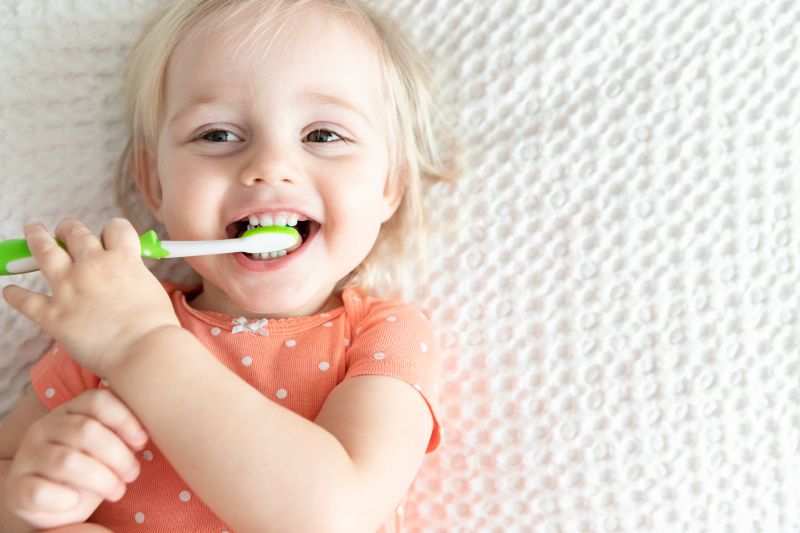
Baby teeth may be small, but they play a surprisingly big role in your child’s growth and development. From learning to speak clearly to developing healthy eating habits, those first tiny teeth do much more than create adorable smiles. They also help guide the development of permanent teeth and lay the foundation for lifelong oral health.
Because baby teeth eventually fall out, it’s easy to assume they aren’t as important as permanent teeth. However, keeping them healthy is an essential part of children’s dental care. Understanding how baby teeth support your child’s development can help you recognize why early dental visits and good oral hygiene habits matter.
How Do Baby Teeth Affect a Child’s Development?
Baby teeth serve several important purposes beyond chewing. They support speech development, help children eat a balanced diet, contribute to self-confidence, and maintain space for permanent teeth.
Children typically develop 20 primary teeth, with most appearing between 6 months and 3 years of age. Although these teeth are temporary, they remain important throughout early childhood, often until a child is around 12 years old.
Here are four ways healthy baby teeth contribute to your child’s development.
1. Healthy Baby Teeth Help Children Develop Speech Skills
Learning to talk is one of the biggest milestones in early childhood, and teeth play an important role in the process. Children use their lips, tongue, teeth, and jaw together to form sounds and pronounce words.
Certain sounds require the tongue to touch or move close to the teeth. For example, sounds like “th,” “f,” “v,” and “s” involve specific interactions between the tongue, lips, and teeth.
When baby teeth are missing prematurely, damaged, or affected by significant decay, children may have difficulty producing certain sounds. The impact depends on which teeth are affected and the child’s stage of speech development.
Healthy teeth provide children with the structure they need as they learn to communicate. While losing baby teeth at the expected age is a normal part of growing up, premature tooth loss can sometimes affect speech patterns or require additional evaluation.
Regular dental checkups help identify problems that could interfere with normal oral development.
2. Tiny Teeth Support Healthy Eating and Nutrition
Eating is another important skill children develop as they grow. Baby teeth help little ones bite, chew, and break down different foods so they can enjoy a varied diet. From crunchy fruits and vegetables to proteins and whole grains, healthy teeth make it easier for children to explore different textures and get the nutrients they need.
When a child has untreated cavities, tooth sensitivity, or dental pain, eating can become uncomfortable. Children may begin avoiding foods that require more chewing, preferring softer options instead. Over time, this can make it more challenging to maintain a balanced diet. Tooth decay can also progress quickly in young children, making early treatment important.
Good children’s dental care helps protect baby teeth so children can comfortably eat, develop healthy food preferences, and get the nutrition they need during important stages of growth.
3. A Healthy Smile Can Build Childhood Confidence
A child’s smile is often one of the first things people notice. As children grow, they become more aware of their appearance as they interact with friends, classmates, and other people.
Dental problems can sometimes affect how comfortable children feel about smiling, talking, or participating in social activities. Visible decay, damaged teeth, or persistent bad breath may make a child feel self-conscious. On the other hand, maintaining healthy teeth can help children feel more comfortable sharing their smiles.
Positive dental experiences also play a role in building confidence. When children become familiar with dental visits and learn how to care for their teeth, they can develop a sense of independence and ownership over their oral health.
Establishing good habits early helps children understand that caring for their smile is a normal and important part of taking care of themselves.
4. Baby Teeth Help Guide Future Orthodontic Development
One of the most important jobs of baby teeth is helping prepare the mouth for permanent teeth.
Baby teeth act as placeholders, maintaining the space that permanent teeth will eventually occupy. As a child grows, permanent teeth develop beneath the gums and gradually replace the primary teeth.
When a baby tooth is lost too early because of decay, injury, or another dental problem, nearby teeth may begin shifting into the open space. This can reduce the room available for the permanent tooth when it is ready to emerge.
Depending on the situation, premature tooth loss may increase the likelihood of crowding or other alignment concerns. A Las Vegas pediatric dentist can evaluate whether a space maintainer or other treatment is appropriate.
Healthy baby teeth also help support the development of a child’s bite and the relationship between the upper and lower jaws. Although not every child will need orthodontic treatment, protecting primary teeth helps support healthy dental development and gives permanent teeth the best opportunity to emerge in their intended positions.
How Can Parents Protect Their Child’s Tiny Teeth?
Good oral hygiene habits begin long before children are old enough to brush independently. Parents play an important role in protecting baby teeth and teaching children how to care for their smiles.
A few simple habits can make a meaningful difference:
- Start brushing early: Begin cleaning your baby’s teeth as soon as the first tooth appears. Use a soft-bristled toothbrush and a small smear of fluoride toothpaste (about the size of a grain of rice) for children under age 3.
- Supervise brushing: Children generally need help brushing until they develop the coordination to do it effectively, often around age 7 or 8.
- Encourage healthy eating: Limit sugary snacks and drinks, and offer water throughout the day.
- Schedule regular dental visits: The American Academy of Pediatric Dentistry recommends establishing a dental home by age 1 or within six months of the first tooth appearing.
- Address dental problems early: Don’t wait for a child to complain about pain. If you’re wondering, “how can I tell if my child has a cavity,” it’s best to see a dentist. Cavities and other dental concerns may develop without obvious symptoms.
Pediatric Dentistry Matters From the Start
Pediatric dentistry focuses on the unique dental needs of infants, children, and adolescents. A pediatric dentist understands how children’s mouths change as they grow and can monitor everything from the arrival of baby teeth to the development of permanent teeth.
Regular visits allow dental professionals to identify early signs of decay, evaluate oral development, provide preventive treatments, and help parents understand how to care for their child’s teeth at every stage.
At Tiny Tooth, children’s dental care is about more than keeping little teeth clean. It’s about helping children build healthy habits, supporting their development, and creating positive experiences that encourage a lifetime of confident smiles.
After all, tiny teeth have a big job to do. Giving them the care and attention they deserve today can help set your child up for a healthier smile tomorrow.